
basque ancient gedmatch kit numbers pdf
Basque Ancient DNA & Gedmatch Kit Numbers: A Comprehensive Overview (as of 04/14/2026)
Recent analyses, as of today’s date, leverage Gedmatch data alongside ancient Basque DNA, with accessible PDF resources detailing Y-STR kit usage and autosomal results․
Basque genetic studies represent a fascinating field, largely due to the unique linguistic and cultural isolation of the Basque people․ This isolation has historically led researchers to hypothesize a distinct genetic profile, potentially reflecting a pre-Neolithic European ancestry․ Modern genetic research, utilizing tools like Gedmatch and analysis of ancient DNA, aims to unravel the complexities of this heritage․
The availability of ancient Basque DNA datasets, coupled with Gedmatch kit numbers from contemporary individuals, provides a powerful means to investigate these historical connections․ Researchers are increasingly focused on understanding the genetic relationships between ancient Basque samples and modern populations, particularly those within the Basque Country and surrounding regions․ PDF resources detailing methodologies, such as Y-STR kit analysis, are becoming crucial for collaborative research and data interpretation․ The goal is to build a comprehensive picture of Basque genetic history, shedding light on their origins and interactions with other European groups․
The Significance of Gedmatch for Basque Genealogy
Gedmatch serves as a vital platform for Basque genealogy, enabling individuals to connect with potential relatives and reconstruct family histories․ By uploading raw DNA data, users can leverage Gedmatch’s tools, including autosomal DNA matching and the Eurogenes K13 Oracle, to identify shared ancestry․ This is particularly valuable for Basques, given their historically limited documentation and unique genetic signature․
The integration of ancient DNA data with Gedmatch profiles further enhances genealogical research․ Comparing modern kit numbers against ancient Basque samples, detailed in accessible PDF reports, can reveal previously unknown ancestral links․ The Apricity Forum, a key resource, facilitates data sharing and collaborative analysis․ Understanding the K13 Oracle results – like the Bilbao sample’s composition – provides insights into regional genetic affinities, aiding in pinpointing ancestral origins and validating genealogical findings․
Understanding Ancient Basque DNA
Ancient Basque DNA provides a crucial baseline for interpreting modern genetic profiles and understanding the population’s unique history․ Analysis of samples, often documented in accessible PDF resources, reveals genetic continuity over millennia, alongside evidence of limited gene flow with surrounding populations․ This distinct genetic signature is reflected in Gedmatch results, particularly when utilizing tools like the Eurogenes K13 Oracle․
Researchers are utilizing Y-chromosome analysis, detailed in scholarly publications, to trace paternal lineages within autochthonous Basque populations․ The availability of ancient DNA datasets allows for direct comparison with modern Gedmatch kit numbers, helping to identify shared haplotypes and reconstruct ancestral relationships․ Understanding the nuances of DYS389I/II loci, as outlined in research PDFs, is vital for accurate haplotype discrimination and genealogical inference․
Available Ancient Basque DNA Datasets
Several ancient DNA datasets are increasingly accessible to researchers and enthusiasts, facilitating deeper investigations into Basque origins․ While comprehensive public repositories are still developing, key datasets are referenced within academic publications and shared via collaborative platforms․ Many findings are summarized in PDF reports detailing methodologies and results, often linking to relevant Gedmatch kit numbers for comparative analysis․
The Bilbao Basque sample, frequently cited in genetic studies, represents a significant resource․ Access to these datasets allows for direct comparison with modern individuals’ autosomal DNA, as analyzed through Gedmatch․ Researchers are actively working to expand these resources, aiming to create a more complete picture of ancient Basque genetic diversity and its relationship to contemporary populations, documented in downloadable PDF formats․
Gedmatch Kit Numbers Associated with Basque Samples
Identifying Gedmatch kit numbers linked to ancient Basque samples is crucial for direct-to-consumer genetic genealogy research․ The Apricity Forum serves as a valuable hub for compiling and sharing this information, often referencing PDF documents detailing analysis results․ These kit numbers enable modern individuals to assess their genetic relatedness to ancient Basques, providing insights into ancestral connections․
Researchers utilize these kit numbers to validate findings from ancient DNA analysis, cross-referencing them with modern populations’ genetic profiles․ The Eurogenes K13 Oracle, a popular tool on Gedmatch, is frequently employed to analyze these samples, with results often documented in accessible PDF reports․ This collaborative approach enhances our understanding of Basque genetic history and migration patterns, offering a tangible link between the past and present․
Bilbao Basque Sample Analysis
Analysis of Basque samples originating from Bilbao reveals a distinct genetic signature when examined through Gedmatch and documented in associated PDF reports․ Data from the Apricity Forum highlights Eurogenes K13 Oracle results for these individuals, showcasing a profile characterized by significant North Atlantic and West Mediterranean ancestry – approximately 53․71% and 31․51% respectively․
This Bilbao sample demonstrates relatively low percentages of East Asian (0․87%) and Sub-Saharan (0․43%) components․ Single Population Sharing analysis indicates the closest genetic relatives are French Basques (distance 4․79), followed by populations within Aragon and Southwest France; These findings, often detailed in downloadable PDFs, contribute to a refined understanding of Basque genetic diversity and its relationship to neighboring European groups, furthering genealogical research․
Eurogenes K13 Oracle Results for Basque Individuals
Eurogenes K13 Oracle analysis, frequently documented in accessible PDF reports, provides a detailed breakdown of admixture components within Basque individuals utilizing Gedmatch data․ Results consistently demonstrate a prominent North Atlantic influence, averaging around 53․71%, alongside substantial West Mediterranean contributions at approximately 31․51%․ Minor components include Baltic (6․58%) and East Mediterranean (5․89%) ancestry․
These analyses, often shared on platforms like the Apricity Forum, reveal limited introgression from East Asian (0․87%) and Sub-Saharan (0․43%) sources․ The K13 Oracle’s refined methodology allows for a nuanced understanding of Basque genetic structure, offering valuable insights for genealogical research and comparisons with other European populations, all readily available in PDF format․
Detailed Breakdown of K13 Admix Components
The K13 Oracle’s components, often detailed in accompanying PDF documentation, reveal specific ancestral signals within the Basque genome․ North Atlantic affinity primarily reflects links to populations inhabiting regions like Ireland and Brittany, while West Mediterranean signals connect to Iberian and Southern French ancestry․ Baltic contributions suggest distant ties to populations around the Baltic Sea․
East Mediterranean ancestry indicates potential connections to the Balkan region, though at a lower percentage․ The presence of minor East Asian and Sub-Saharan components, documented in Gedmatch kit analyses and PDF reports, likely represents ancient gene flow events․ Understanding these individual components, as presented in K13 results, is crucial for interpreting Basque genetic history and relatedness․
Single Population Sharing – Closest Matches
Gedmatch’s single population sharing feature, often detailed in PDF archives from forums like Apricity, highlights genetic proximity․ French Basque consistently emerges as the closest genetic relative, exhibiting a distance of 4․79, suggesting a very recent common ancestry․ Spanish populations, particularly Aragon (10․54) and Southwest France (12․09), also demonstrate significant relatedness․
Further Spanish regions – Cantabria, Castilla-La Mancha, Cataluna, and Valencia – show increasing distances, indicating a gradient of genetic differentiation․ These results, frequently compiled and shared in PDF format, underscore the Basque’s unique position within the broader Iberian genetic landscape․ Analyzing these distances provides valuable insights into population movements and historical relationships․
French Basque as a Primary Genetic Relative
The consistent identification of French Basque as the closest genetic match, as evidenced by Gedmatch data often compiled into PDF reports, is a cornerstone of Basque genetic understanding․ A distance of only 4․79, significantly lower than other Iberian populations, points to a shared recent ancestry and limited genetic drift․ This close relationship is frequently discussed within genealogical communities, like the Apricity Forum, and documented in shared PDF analyses․
Researchers utilize this information to refine models of Basque origins and migration patterns․ The strong correlation suggests a historically unified population, potentially separated by political boundaries rather than substantial genetic divergence․ Further investigation, detailed in available PDFs, focuses on pinpointing the specific historical events that shaped this close genetic affinity․
Regional Spanish Populations and Genetic Distance
Gedmatch analysis, often summarized in accessible PDF documents, reveals a gradient of genetic distance between Basque individuals and various Spanish populations․ While French Basque consistently demonstrates the closest affinity (distance of 4․79), regional Spanish groups exhibit increasing distances․ Spanish Aragon (10․54), Southwest France (12․09), and Cantabria (12․26) show relatively closer ties compared to regions further afield․
Populations like Castilla-La Mancha (13․28), Cataluna (14․5), and Valencia (14․74) demonstrate greater genetic differentiation․ Andalucia and Murcia show even larger distances (15․19 and 15․29 respectively)․ These findings, frequently discussed and documented in PDF reports, support the hypothesis of a unique Basque genetic signature and limited gene flow with surrounding Iberian populations over extended periods․
Y-Chromosome Analysis in Autochthonous Basque Populations
Research, often detailed in downloadable PDF reports, focuses on the Y chromosome to understand the paternal lineage of autochthonous Basque populations․ Studies utilizing Y-STR kits aim to trace ancestral origins and identify unique Basque haplotypes․ Analysis of loci like DYS389I/II is crucial for discriminating between different lineages and assessing haplotype diversity within the Basque Country․
PDF documentation highlights the calculation of repeat numbers at DYS389II, subtracting DYS389I values, and the determination of discrimination capacity by dividing unique haplotypes by the total individuals studied․ The fraction of unique haplotypes provides insight into the genetic distinctiveness of Basque paternal lines, supporting theories about their relative isolation and ancient origins, as evidenced by available data․
Y-STR Kit Usage in Basque Genetic Research
Y-STR kits are fundamental tools in Basque genetic research, particularly when analyzing ancient DNA and correlating findings with Gedmatch kit numbers․ PDF resources detail methodologies for utilizing these kits to examine paternal lineages and assess genetic relationships within and between Basque populations․
The analysis frequently centers on specific loci, notably DYS389I/II, where repeat numbers are meticulously calculated – subtracting DYS389I repeats from DYS389II․ This process, documented in research PDFs, allows for precise haplotype discrimination․ Researchers calculate discrimination capacity by dividing unique haplotypes by the total individuals studied, revealing the genetic diversity and uniqueness of Basque paternal lines․ These findings contribute to understanding the Bronze Age replacement theories and Basque origins․
DYS389I/II Loci and Haplotype Discrimination
The DYS389I/II loci are critical markers in Basque Y-chromosome analysis, frequently detailed within accessible PDF research papers․ Calculating the number of repeats at DYS389II, after subtracting DYS389I repeats, is a standard practice for refining haplotype definitions․
Haplotype discrimination, a key metric, is determined by dividing the number of distinct haplotypes by the total individuals analyzed․ This ratio, often presented in PDF reports, reveals the population’s genetic diversity․ The fraction of unique haplotypes, expressed as a percentage, further quantifies the distinctiveness of Basque paternal lineages․ These analyses, combined with Gedmatch data, help pinpoint genetic relationships and trace ancestral origins, offering insights into Basque population history and resilience․
Geographic Context of Basque Genetic Studies
Basque genetic studies are intrinsically linked to their geographic location, situated between Western Europe and the Iberian Peninsula, as visually represented in PDF documentation․ Mapping data reveals a unique genetic profile, distinct from surrounding populations, yet exhibiting subtle connections․
Analysis of ancient DNA, coupled with Gedmatch kit number correlations, highlights the Basque Country’s role as a potential refuge during periods of migration and upheaval․ PDF resources showcase how genetic distances to regional Spanish populations (Aragon, Cantabria, Catalonia) are quantified, illustrating the degree of relatedness․ Understanding this geographic context is crucial for interpreting genetic data and reconstructing the complex history of the Basque people, offering a nuanced perspective on their origins and resilience․
The Basque Country and Western Europe – Mapping the Data
Visualizing Basque genetic data within a Western European framework, often detailed in accessible PDF reports, reveals intriguing patterns․ Maps illustrate the distribution of key genetic components identified through Gedmatch analysis of ancient DNA samples․
These visualizations demonstrate the Basque Country’s position as a genetic outlier, yet show subtle gradients of relatedness with neighboring regions like Southwestern France and Northern Spain․ PDF resources frequently include charts displaying genetic distances, quantifying the degree of differentiation․ Such mapping exercises are vital for understanding population movements, identifying potential ancestral sources, and contextualizing the unique genetic heritage of the Basque people, offering a spatial dimension to their complex history․
PDF Resources & Data Availability
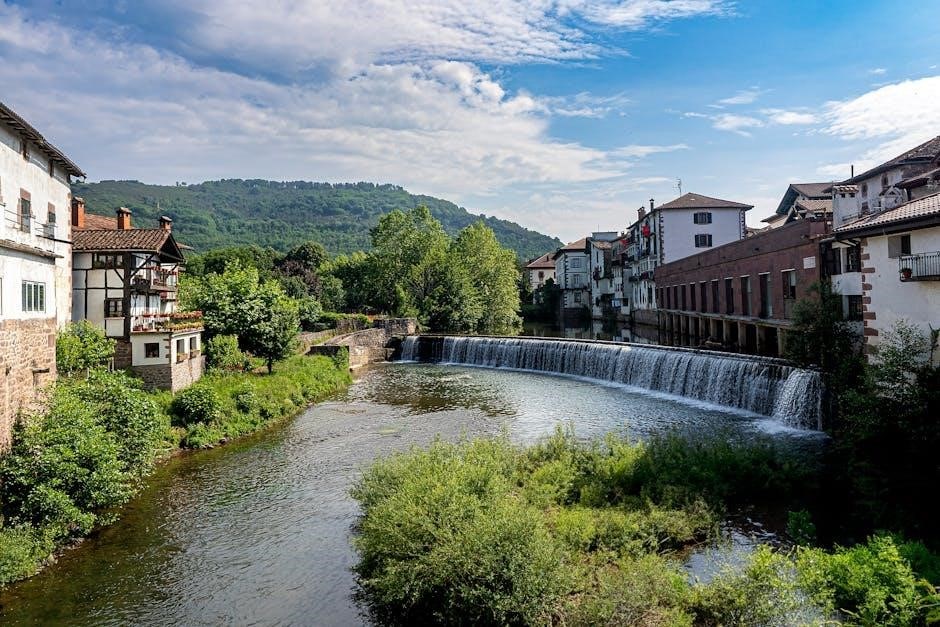
A growing collection of PDF documents details analyses of Basque ancient DNA and associated Gedmatch kit numbers, providing crucial insights for researchers and enthusiasts․ These resources often contain detailed Eurogenes K13 Oracle results, including admixture component breakdowns, and single population sharing analyses․
Specifically, PDFs from academic publications and forums like The Apricity Forum showcase Y-STR kit data, focusing on DYS389I/II loci and haplotype discrimination within autochthonous Basque populations; Access to these documents allows for independent verification of findings and facilitates further investigation into Basque genetic origins․ Data availability varies, but many resources are publicly accessible, fostering collaborative research and a deeper understanding of Basque genetic history․
Limitations of Gedmatch for Ancient DNA
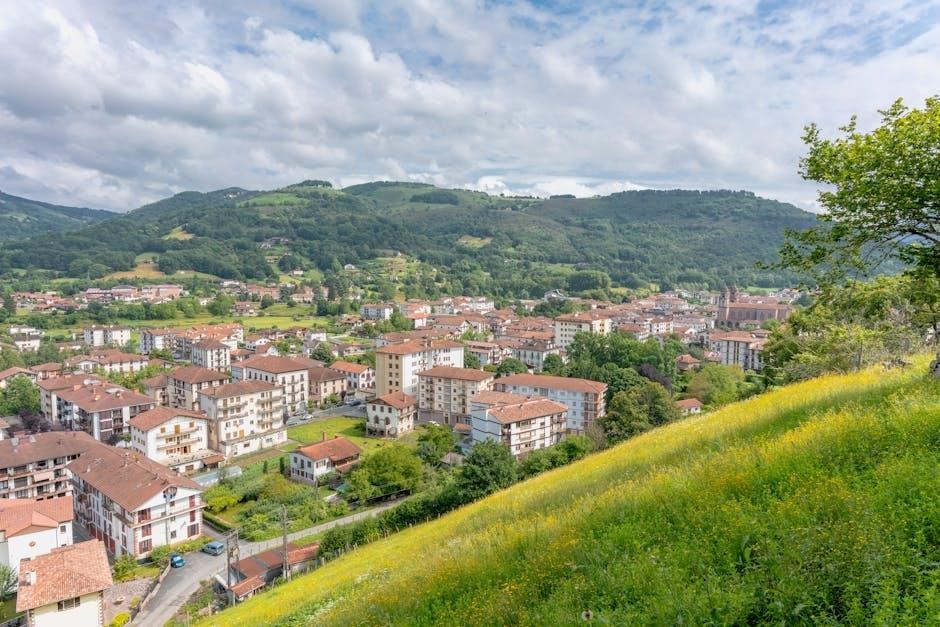
While Gedmatch provides a valuable platform for analyzing Basque ancient DNA and correlating it with modern kit numbers, several limitations must be acknowledged․ The database relies on voluntary submissions, creating potential biases in representation and geographic coverage․ Ancient DNA itself is often fragmented and degraded, leading to incomplete genotype data and potential inaccuracies in comparisons․
Furthermore, the K13 Oracle, while useful, is a model based on present-day populations and may not perfectly reflect ancient genetic structures․ Distances calculated through Gedmatch are estimates, and interpreting them requires caution․ The availability of comprehensive Basque ancient DNA datasets remains limited, hindering robust statistical analyses․ Therefore, Gedmatch results should be considered alongside other evidence, such as archaeological and linguistic data․
Future Directions in Basque Genetic Research

Expanding ancient DNA sampling across the Basque Country and neighboring regions is crucial, alongside improved DNA extraction and sequencing technologies․ Integrating Y-STR kit analyses with autosomal data will provide a more holistic understanding of Basque paternal lineages and population movements․ Further refinement of population models, beyond the K13 Oracle, is needed to accurately represent ancient Basque genetic components․
Leveraging larger Gedmatch datasets and developing new analytical tools will enhance the precision of kinship and geographic origin estimations․ Collaboration between geneticists, archaeologists, and linguists is essential for a comprehensive interpretation of Basque origins․ Openly sharing data and research findings, including accessible PDFs, will accelerate progress in this fascinating field, ultimately revealing the complex genetic history of the Basque people․
Resources for Further Exploration
The Apricity Forum serves as a valuable online community for those researching Basque genealogy and genetics, offering discussions on Gedmatch kit numbers and ancient DNA findings․ Numerous academic publications delve into the intricacies of Basque genetic history, often available through university libraries and research databases․ Searching for PDFs related to “Basque Y chromosome” and “ancient DNA” will yield relevant studies․
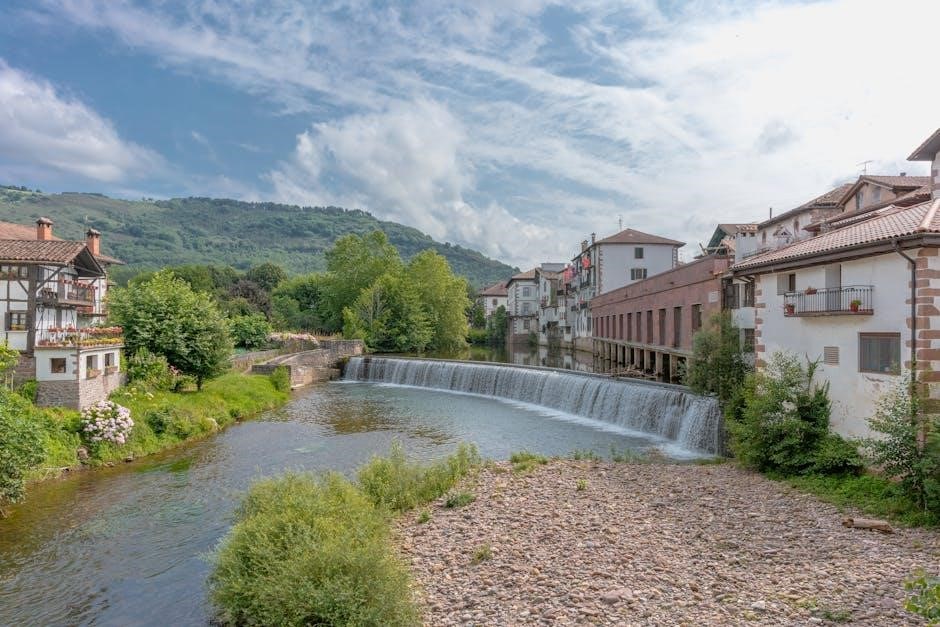
Exploring resources detailing the Eurogenes K13 Oracle, including revised data from November 2013, provides insights into admixture components․ Websites archiving historical data and research papers are also beneficial․ Remember to critically evaluate sources and cross-reference information to ensure accuracy when navigating this complex topic․ Continued exploration will unlock deeper understanding․
The Apricity Forum & Basque Genealogy
The Apricity Forum is a central hub for enthusiasts tracing Basque ancestry, frequently discussing Gedmatch kit number correlations with ancient DNA results․ Users share Eurogenes K13 Oracle outputs, analyzing admixture components and identifying potential genetic relatives․ The forum’s archives contain valuable threads detailing Bilbao Basque sample analyses and regional Spanish population comparisons․
Researchers often post findings related to single population sharing, particularly highlighting French Basque as a close genetic match․ Discussions extend to Y-chromosome analysis, including DYS389I/II loci and haplotype discrimination․ Accessing the forum requires registration, but provides a collaborative environment for exploring Basque genetic heritage and accessing shared PDF resources․
Academic Publications on Basque Genetics
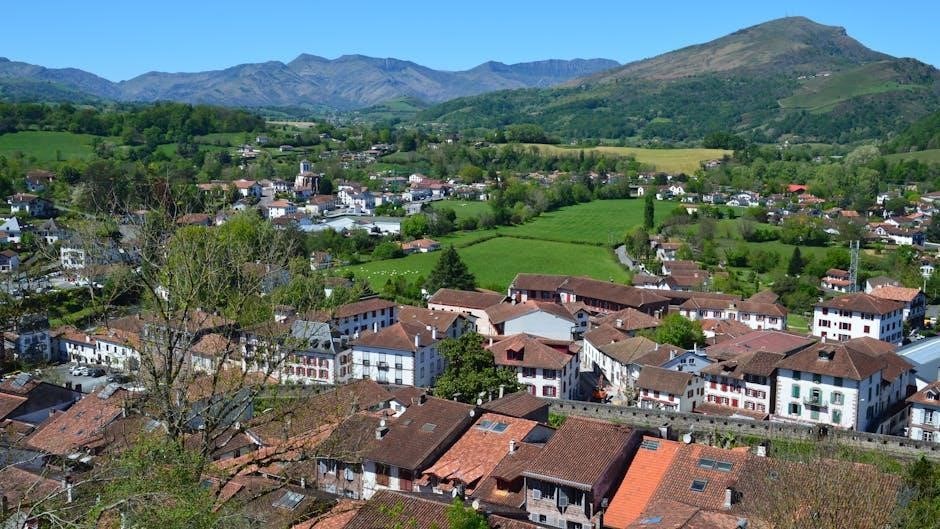
Scholarly research increasingly integrates ancient DNA analysis with Gedmatch data to refine our understanding of Basque origins and population history․ Publications explore Y-chromosome variations within autochthonous Basque populations, detailing the application of Y-STR kits for haplotype analysis and assessing the impact of the Bronze Age replacement․ These studies often present findings in PDF format, accessible through academic databases․
Investigations into the Basque Country’s genetic landscape utilize geographic context, mapping data to visualize genetic relationships with Western European populations․ Researchers analyze autosomal DNA, employing tools like the Eurogenes K13 Oracle to quantify admixture components․ Accessing these publications provides a deeper, scientifically rigorous perspective on Basque genetic distinctiveness and its implications for genealogy․









Leave a Comment