classic cocktail recipes pdf
Article Plan: Classic Cocktail Recipes PDF
This comprehensive guide explores the world of classic cocktails, focusing on readily available PDF resources for easy access and enjoyment․
Discover printable lists, detailed recipes, and organized collections, perfect for both novice and experienced mixologists seeking timeless drink inspiration․
Classic cocktails represent the golden age of mixology, embodying balance, sophistication, and enduring appeal․ These aren’t fleeting trends; they’re time-tested recipes perfected over generations, forming the foundation of modern bartending․ From the crisp Martini to the robust Old Fashioned, each drink tells a story, reflecting a specific era and culture․
The allure of classic cocktails lies in their simplicity and quality․ Typically utilizing just a handful of premium ingredients – a spirit, a liqueur, a modifier, and perhaps a dash of bitters – they showcase the inherent flavors of each component․
Today, accessing these iconic recipes is easier than ever, thanks to the proliferation of classic cocktail recipes PDFs․ These digital resources offer a convenient and portable way to learn, practice, and share the art of cocktail making, ensuring these traditions continue to thrive․ They provide a structured approach to mastering these timeless beverages․
Why Use a PDF for Cocktail Recipes?
PDFs offer unparalleled convenience for storing and accessing classic cocktail recipes․ Unlike websites prone to change or requiring internet access, a PDF provides a static, reliable record of each drink’s formulation․ This is especially valuable when experimenting or building a personal cocktail repertoire․
Furthermore, classic cocktail recipes PDFs are easily printable, allowing you to keep a physical copy in your bar area – protected from spills and readily available during entertaining․ Many PDFs, like those found on Etsy, are specifically formatted for optimal printing, offering clear instructions and ingredient lists․
They’re also incredibly portable; load them onto your tablet or smartphone for cocktail inspiration on the go․ Whether you’re a bartending student utilizing resources like those found online, or a home enthusiast, PDFs consolidate information efficiently․
Essential Tools for Cocktail Making
Successfully recreating classic cocktail recipes requires more than just ingredients; the right tools are crucial․ While a PDF provides the blueprint, you need the equipment to execute it flawlessly․ Having these items readily available streamlines the process and elevates the final product․

Barware basics include a shaker (Boston or Cobbler style), a jigger for precise measurements, a strainer to remove ice, and a bar spoon for stirring․ A muddler is essential for drinks like the Mojito or Old Fashioned․
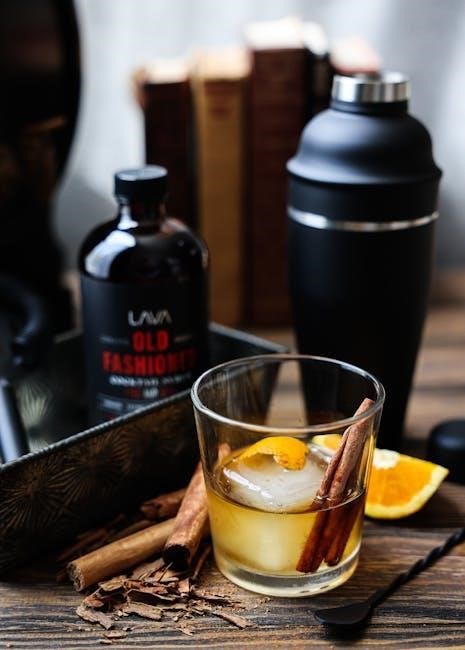
Glassware selection is equally important․ Different cocktails are best served in specific glasses – Martini glasses for Martinis, Old Fashioned glasses for… well, Old Fashioneds, and highball glasses for longer drinks․ Referencing your classic cocktail recipes PDF will often indicate the appropriate glassware for each drink․
Barware Basics
Building a foundational barware collection doesn’t require a massive investment, but certain pieces are indispensable for executing classic cocktail recipes found in your PDF guides․ A cocktail shaker is paramount – Boston shakers (two-piece) offer speed and control, while Cobbler shakers (three-piece) are beginner-friendly․
Precise measurements are key, making a jigger essential․ Opt for a double jigger with common measurements (1oz/2oz)․ A Hawthorne strainer, with its spring, effectively removes ice, while a Julep strainer is ideal for stirred drinks․ Don’t forget a bar spoon – its twisted handle aids in layering and stirring․
Referencing your classic cocktail recipes PDF will highlight which tools are specifically needed for each drink, ensuring you’re well-equipped to create perfect results․
Glassware Guide
The right glassware elevates the cocktail experience, complementing the flavors and presentation of classic recipes detailed in your PDF collection․ Martini glasses, iconic for their V-shape, showcase stirred cocktails․ Old Fashioned glasses (rocks glasses) are versatile for spirit-forward drinks served on the rocks․
Highball glasses suit tall, refreshing cocktails like Mojitos, while Collins glasses are slightly taller and narrower․ Coupe glasses offer an elegant alternative to the Martini glass, perfect for shaken drinks․ Consider specialized glassware like Nick & Nora glasses for smaller, sophisticated servings․
Consulting your classic cocktail recipes PDF will indicate the appropriate glass for each drink, enhancing both the aesthetic appeal and the overall enjoyment of your creations․
Understanding Cocktail Ingredients
Mastering classic cocktails, as found in your PDF guides, begins with understanding core ingredients․ Spirits form the foundation – gin, whiskey, rum, and vodka each impart distinct characteristics․ Liqueurs and fortified wines add sweetness, complexity, and nuance; think of vermouth, Cointreau, or Campari․
Your PDF recipes will detail precise measurements, but knowing ingredient roles is crucial․ Mixers, like soda water, juice, or bitters, balance flavors․ Garnishes aren’t merely decorative; they contribute aroma and visual appeal․
Quality matters․ Using fresh juices and premium spirits significantly impacts the final result․ A well-organized PDF collection will often include notes on ingredient substitutions or variations․
Spirits: The Foundation
Classic cocktail PDFs consistently highlight the importance of quality spirits․ Gin, a cornerstone of drinks like the Martini and Aviation, varies greatly in style – London Dry, Old Tom, and New Western each offer unique botanical profiles․ Whiskey, essential for Old Fashioneds and Manhattans, ranges from Bourbon’s sweetness to Rye’s spice․
Rum’s versatility shines in Daiquiris and Mojitos, with options like white, gold, and dark rum influencing the drink’s character․ Vodka, known for its neutrality, is key to Cosmopolitans and Moscow Mules․
Your PDF guides will specify the preferred spirit for each recipe, but understanding these base differences allows for informed experimentation and personalization․
Liqueurs & Fortified Wines
Classic cocktail recipe PDFs frequently feature a diverse array of liqueurs and fortified wines, adding complexity and nuance to drinks․ Vermouth, both sweet and dry, is crucial for Martinis and Manhattans, providing herbal and aromatic depth․
Orange liqueurs like Cointreau and Triple Sec are staples in Margaritas and Cosmopolitans, contributing citrusy sweetness․ Other common liqueurs include Maraschino (for Aviation cocktails) and Benedictine (used in various classic concoctions)․
Fortified wines, such as Sherry and Port, appear in some recipes, offering unique flavors and textures․ PDFs will detail specific brands or styles for optimal results, emphasizing how these ingredients elevate the overall cocktail experience․
Mixers & Garnishes
Classic cocktail recipe PDFs meticulously list essential mixers and garnishes, vital for achieving authentic flavors and presentations․ Simple syrups, club soda, and various juices (lemon, lime, orange) are frequently included, with PDFs often detailing homemade syrup recipes for superior quality․
Garnishes aren’t merely decorative; they enhance aroma and complement the drink’s profile․ Lemon or orange twists, maraschino cherries, olives, and mint sprigs are common․ PDFs will specify precise garnishing techniques – a proper twist, a specific cherry type – for a polished finish․
Detailed PDFs often suggest variations in mixers and garnishes, allowing for personalization while maintaining the cocktail’s core character․ Understanding these elements is key to replicating classic tastes successfully․
Popular Classic Cocktail Recipes (Gin-Based)
Classic cocktail recipe PDFs consistently feature gin-based staples, showcasing its versatility․ The Martini, a cornerstone, receives detailed instructions, often with variations on vermouth ratios and olive/lemon choices․ PDFs provide precise measurements for gin and vermouth, crucial for balance․
The Aviation Cocktail, known for its floral complexity, is frequently included, with PDFs emphasizing the importance of crème de violette․ Negronis, a bitter-sweet delight, are also prominent, with PDFs detailing equal parts gin, Campari, and sweet vermouth․
PDFs often offer historical context alongside recipes, enriching the experience․ They ensure consistent results, guiding users through each step, from chilling the glass to stirring techniques․
Martini – A Timeless Classic
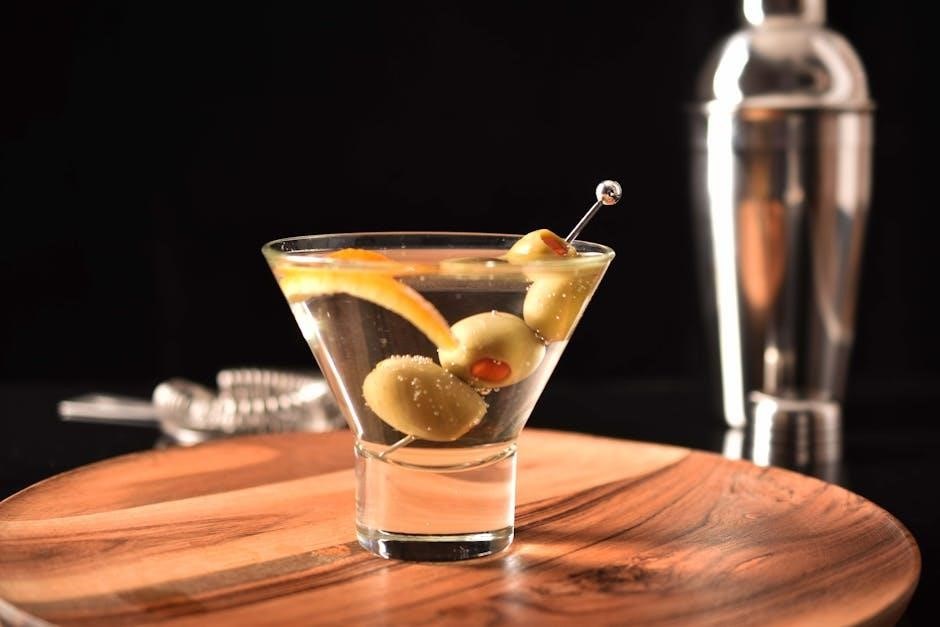
Martini recipes within classic cocktail PDFs demonstrate the drink’s enduring appeal and subtle nuances․ Most PDFs detail the foundational recipe: gin (or vodka, though gin is traditional) and dry vermouth, stirred – never shaken – with ice․ Variations abound, however, and PDFs often showcase these․
PDFs frequently include guidance on vermouth ratios, ranging from “wet” (more vermouth) to “dry” (less), catering to individual preferences․ Garnishing options – olives (various types) or a lemon twist – are also detailed, with PDFs illustrating proper technique․
High-quality PDFs emphasize chilling the glass and the importance of quality ingredients for optimal flavor․ They often include notes on gin selection, suggesting London Dry or other styles․
Aviation Cocktail – Floral & Complex
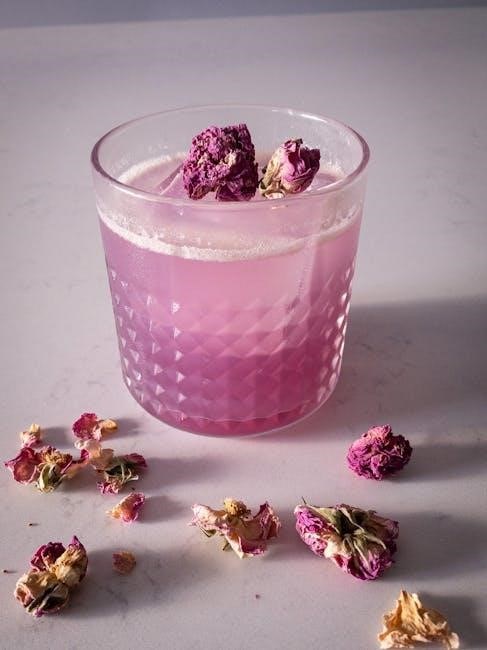
Classic cocktail recipe PDFs highlight the Aviation’s unique profile, stemming from its inclusion of crème de violette․ This liqueur imparts a distinctive floral aroma and pale lavender hue, making it visually striking․ PDFs meticulously list ingredients: gin, maraschino liqueur, crème de violette, and lemon juice․
Detailed PDFs emphasize the importance of balancing the sweetness of the liqueurs with the tartness of the lemon juice․ They often provide specific measurements, though slight adjustments may be needed based on liqueur brands․ Shaking with ice is standard, ensuring proper chilling and dilution․
PDFs often suggest a proper garnish – a brandied cherry or lemon twist – enhancing both the presentation and aroma․ Some PDFs include historical context, tracing the cocktail’s origins and evolution․
Negroni – Bitter & Balanced
Classic cocktail recipe PDFs consistently feature the Negroni as a cornerstone of the cocktail world, celebrated for its equal-parts simplicity and bold flavor․ These PDFs detail the straightforward recipe: gin, Campari, and sweet vermouth, combined directly in a mixing glass․
PDF guides emphasize the quality of ingredients is paramount, particularly the gin and vermouth․ They often recommend specific brands known for their balance and complexity․ Stirring, rather than shaking, is universally prescribed to maintain clarity and texture․
Detailed PDFs illustrate the traditional presentation: served on the rocks with an orange peel garnish․ The orange oils express over the drink, adding a bright citrus aroma that complements the bitterness․ Many PDFs also offer variations, like the White Negroni․
Popular Classic Cocktail Recipes (Whiskey-Based)
Classic cocktail recipe PDFs dedicate significant space to whiskey-based drinks, recognizing their enduring popularity and historical importance․ These PDFs frequently showcase the Old Fashioned, Manhattan, and Whiskey Sour as essential recipes for any home bartender․
PDF guides often provide detailed instructions on selecting the appropriate whiskey – bourbon or rye – for each cocktail․ They explain how the whiskey’s profile impacts the final drink’s character․ Variations are also common, with PDFs offering recipes for different Manhattan styles (e․g․, Perfect, Dry)․
These PDFs emphasize precise measurements and proper mixing techniques․ They often include tips on muddling sugar, expressing citrus oils, and achieving the correct dilution․ Garnishing suggestions, like cherries or orange twists, are also consistently provided․
Old Fashioned – Simple & Sophisticated
Classic cocktail recipe PDFs consistently feature the Old Fashioned as a cornerstone of whiskey cocktails, highlighting its simplicity and depth of flavor․ These PDFs typically present variations, acknowledging the drink’s evolution, but emphasize the core components: whiskey, sugar, bitters, and water․
PDF guides detail the muddling process, advising on the type of sugar (cube or syrup) and the gentle pressure needed to release its sweetness․ They often specify the type of bitters – Angostura being the most common – and the importance of quality ingredients․
Instructions in these PDFs stress the importance of building the drink directly in the glass, allowing the flavors to meld․ Garnishing suggestions usually include an orange peel, expressed for its oils, and a cherry․
Manhattan – Bold & Refined
Classic cocktail recipe PDFs invariably include the Manhattan, celebrated for its robust flavor profile and sophisticated appeal․ These PDFs often present variations, such as the Dry Manhattan (using dry vermouth) and the Perfect Manhattan (using equal parts sweet and dry vermouth), catering to diverse preferences․
PDF guides meticulously detail the ratio of whiskey (typically rye or bourbon), sweet vermouth, and Angostura bitters, emphasizing the importance of balance․ They often provide guidance on stirring versus shaking, advocating for stirring to maintain clarity and texture․
Instructions within these PDFs consistently recommend chilling the glass beforehand, enhancing the drink’s overall experience․ Garnishing suggestions typically involve a brandied cherry, complementing the cocktail’s rich character․
Whiskey Sour – Sweet & Tangy
Classic cocktail recipe PDFs consistently feature the Whiskey Sour, a delightful balance of sweet, sour, and spirituous notes․ These downloadable guides often showcase both shaken and blended variations, accommodating different preferences and equipment availability․
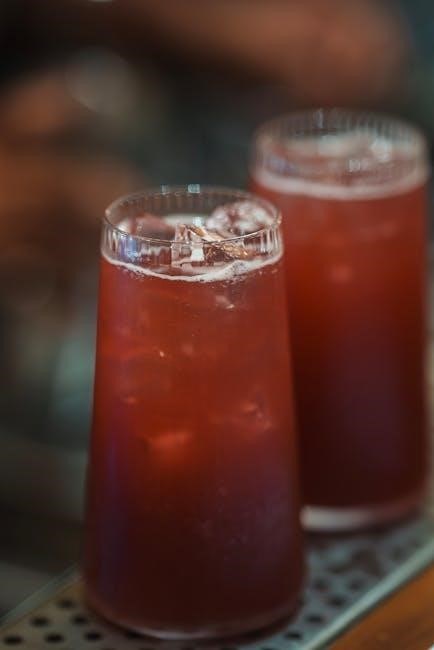
PDFs meticulously outline the core ingredients: whiskey (typically bourbon), lemon juice, simple syrup, and often a dash of Angostura bitters or egg white․ The inclusion of egg white, while optional, is highlighted for its contribution to a velvety texture and frothy head․
Detailed instructions within these PDFs emphasize the importance of proper shaking technique, ensuring thorough chilling and emulsification․ Garnishing suggestions commonly include a cherry and an orange slice, enhancing both visual appeal and aromatic complexity․
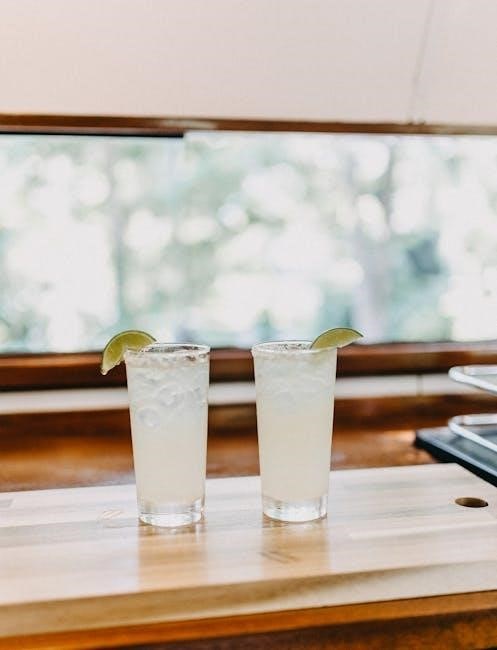
Popular Classic Cocktail Recipes (Rum-Based)
Classic cocktail recipe PDFs dedicate significant space to rum-based concoctions, recognizing rum’s versatility and historical importance․ These documents frequently present the Daiquiri and Mojito as cornerstone recipes, alongside lesser-known but equally compelling options;
PDFs typically detail variations within each recipe, such as flavored syrups for the Daiquiri or different types of mint for the Mojito․ They emphasize the quality of rum as a key factor, suggesting both white and aged rums for diverse flavor profiles․
Instructions within these PDFs often include muddling techniques for fresh ingredients like mint and lime, stressing the importance of gentle pressure to release aromas without bitterness․ Garnishing guides showcase traditional options like lime wedges and mint sprigs, enhancing presentation․
Daiquiri – Refreshing & Versatile
Classic cocktail recipe PDFs consistently feature the Daiquiri as a foundational drink, celebrated for its simplicity and balance․ These PDFs typically present a core recipe of white rum, fresh lime juice, and simple syrup, emphasizing the importance of quality ingredients․
Detailed PDFs often include variations, such as the addition of fruit purees (strawberry, mango) or flavored liqueurs, demonstrating the Daiquiri’s versatility․ They may also offer guidance on adjusting sweetness levels to suit individual preferences․
Instructions within these PDFs highlight proper shaking techniques to achieve a perfectly chilled and diluted cocktail․ Garnishing suggestions usually involve a lime wheel or twist, enhancing both visual appeal and aroma․ Some PDFs even explore historical context, tracing the Daiquiri’s origins․
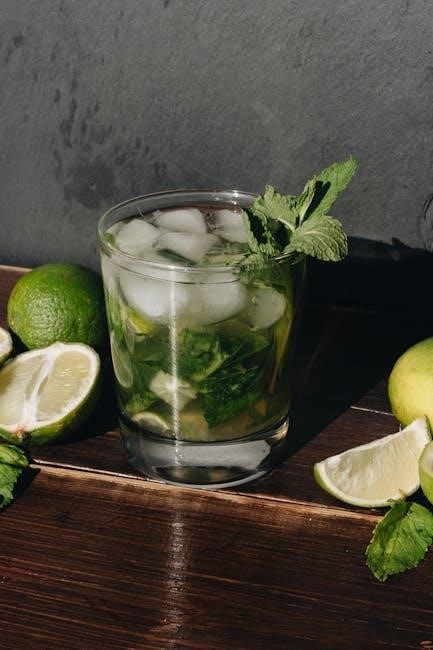
Mojito – Minty & Invigorating
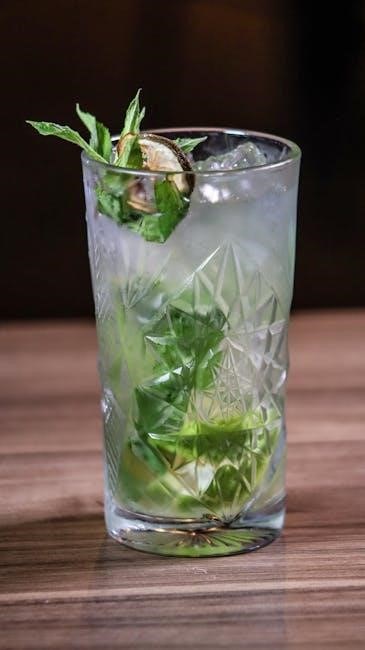
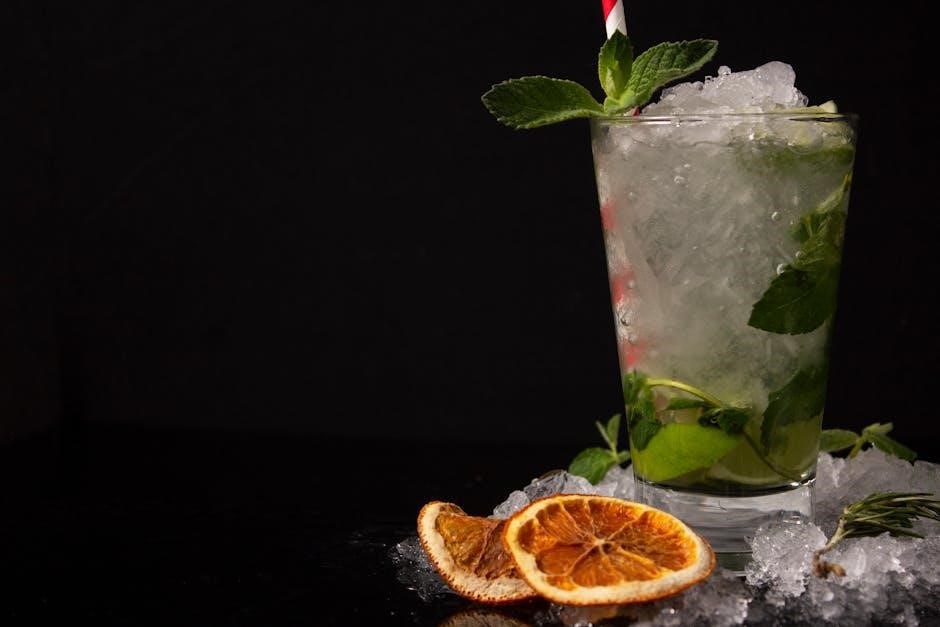
Classic cocktail recipe PDFs universally include the Mojito, lauded for its refreshing blend of rum, mint, lime, sugar, and soda water․ These PDFs emphasize the “muddeling” technique – gently pressing mint leaves to release their aroma without bruising them, a crucial step for optimal flavor․
Detailed PDFs often specify the type of rum (typically white Cuban rum) and the ideal ratio of ingredients for a balanced drink․ They may also offer tips on creating homemade simple syrup or using superfine sugar for quicker dissolution․
Instructions within these PDFs highlight the importance of layering ingredients correctly and using plenty of crushed ice․ Garnishing suggestions consistently feature a generous sprig of fresh mint and a lime wedge, enhancing the drink’s visual appeal and aromatic profile․ Some PDFs explore regional variations․
Popular Classic Cocktail Recipes (Vodka-Based)
Classic cocktail recipe PDFs dedicate significant space to vodka-based drinks, reflecting their enduring popularity․ The Cosmopolitan and Moscow Mule consistently feature as prominent examples, often with multiple variations detailed within these downloadable guides․
PDFs typically provide precise measurements for vodka, cranberry juice, lime juice, and Cointreau in the Cosmopolitan recipe, emphasizing the importance of quality ingredients․ They also illustrate the signature Cosmopolitan garnish – a lime wheel or orange twist․
For the Moscow Mule, PDFs highlight the essential use of a copper mug to maintain the drink’s chilled temperature and enhance its flavor․ Instructions cover the combination of vodka, ginger beer, and lime juice, with some PDFs offering homemade ginger syrup recipes․
Cosmopolitan – Fruity & Popular
Classic cocktail recipe PDFs consistently feature the Cosmopolitan, often showcasing it as a modern classic with widespread appeal․ These PDFs detail the precise balance of ingredients crucial for achieving the drink’s signature fruity and tart flavor profile․

Typically, a PDF will list 1․5 oz of citrus vodka, 1 oz of Cointreau (or triple sec), 0․75 oz of cranberry juice, and 0․5 oz of fresh lime juice as the standard recipe․ Emphasis is placed on using fresh lime juice for optimal taste․
Instructions within the PDF usually involve shaking all ingredients with ice and straining into a chilled martini glass․ Garnishing with a lime wheel or orange twist is consistently recommended, with some PDFs offering variations on presentation․
Moscow Mule – Spicy & Refreshing
Classic cocktail recipe PDFs frequently include the Moscow Mule, celebrated for its invigorating spice and refreshing character․ These downloadable guides highlight the drink’s simplicity and reliance on quality ingredients for a perfect result․
A typical PDF recipe calls for 2 oz of vodka, 4-6 oz of ginger beer, and 0․5 oz of fresh lime juice․ The emphasis is often on using a premium ginger beer to deliver the signature spicy kick․ Some PDFs suggest variations with flavored vodkas․
Instructions generally involve building the drink directly in a copper mug filled with ice, then topping with ginger beer and squeezing in fresh lime juice․ The iconic copper mug isn’t just aesthetic; it keeps the drink exceptionally cold․
Finding and Downloading Classic Cocktail Recipe PDFs
Numerous online resources offer classic cocktail recipe PDFs, catering to diverse preferences and skill levels․ A simple web search using keywords like “classic cocktail recipes PDF” yields a wealth of options, from individual recipe collections to comprehensive guides․
Etsy is a popular platform for purchasing beautifully designed, printable cocktail lists, often including detailed instructions․ Websites dedicated to bartending education, like those offering resources for students, also provide free downloadable PDFs containing essential recipes․
Additionally, many food and beverage blogs host free PDF downloads as lead magnets․ Platforms like Issuu and Scribd host a variety of cocktail recipe books in PDF format, some available for free viewing or download․ Always verify the source’s credibility before downloading;
Printing Tips for Cocktail Recipe PDFs
To ensure your classic cocktail recipe PDFs print beautifully and are easy to use behind the bar, consider these printing tips․ First, select high-quality paper – a slightly heavier weight stock will prevent bleed-through and feel more durable․
When using your printer settings, choose “Fit to Page” to guarantee all recipe details are visible․ This is particularly important for PDFs designed for standard 8․5 x 11 inch paper․ Experiment with color or grayscale printing based on your aesthetic preference and ink availability․
Laminating printed recipes offers excellent protection against spills and stains, extending their lifespan considerably․ Consider using a binder or recipe card holder to keep your collection organized and readily accessible during cocktail preparation․
Customizing Your Cocktail Recipe PDF Collection
Elevate your classic cocktail experience by personalizing your PDF collection․ Begin by organizing PDFs into categories – by spirit base (gin, whiskey, rum, vodka), cocktail family (sours, classics, tropicals), or even complexity level․
Annotate PDFs directly with your preferred ingredient brands or adjustments to recipes based on your taste․ Highlight frequently made cocktails for quick reference․ Consider creating a master index linking to specific recipes within your collection for effortless navigation․
Supplement downloaded PDFs with your own handwritten recipes or variations, scanning them to integrate into your digital library․ This creates a truly bespoke resource tailored to your cocktail preferences and expertise․
Safety and Responsible Drinking
Enjoying classic cocktails responsibly is paramount․ While PDF resources offer fantastic recipes, always prioritize safe consumption․ Be mindful of alcohol content and drink in moderation․ Never drink and drive – plan for a designated driver, utilize ride-sharing services, or opt for public transportation․
Always be aware of your limits and pace yourself throughout the evening․ Offer non-alcoholic options to guests and encourage responsible choices․ When experimenting with recipes, understand the potential strength of each drink․
Respect local laws and regulations regarding alcohol consumption․ If you or someone you know is struggling with alcohol abuse, seek help from relevant support organizations․ Enjoy the art of mixology responsibly and safely․










Leave a Comment