100 amp manual transfer switch
Overview of 100 amp manual transfer switch
The 100 amp manual transfer switch provides a reliable way to shift power from a backup source to a home’s main panel during outages. It’s rated for 100 amps, supports 240‑volt circuits, and requires manual operation to isolate the grid, ensuring safety and compliance with NEC standards!!! !!
Definition and Purpose
The 100 amp manual transfer switch is a safety device that allows homeowners to manually redirect electricity from a backup generator or battery system to the main service panel when the utility grid fails. By isolating the utility feed and connecting the generator’s output to the panel, the switch prevents back‑feeding hazards and protects utility workers. Its 100‑amp rating accommodates most residential loads, including major appliances and HVAC units, while complying with NEC Article 702 and local code requirements. In regions prone to hurricanes, wildfires, and extended power outages, the switch provides a dependable solution for continuous power supply. The manual nature of the device gives users full control over when to engage or disengage power, reducing the risk of accidental operation. Regular inspections and maintenance are essential to keep the switch functioning correctly and to meet safety standards. In summary, the 100 amp manual transfer switch bridges backup power to residential systems, ensuring safe, reliable, and code‑compliant restoration during emergencies. The switch’s heavy‑gauge contacts and weather‑sealed enclosure provide durability against harsh environmental conditions, and reliability today!!! The device’s robust construction includes a double‑insulated housing and a high‑temperature rated circuit breaker that can handle surge currents during generator start‑up. Users should verify that the generator’s output voltage matches the panel’s voltage rating before connecting. The transfer switch’s manual lever is designed for easy operation, even in low‑light conditions, and includes a locking mechanism to prevent accidental disengagement. Regular checks ensure longevity and reliability for safety and peace and continuous power availability during outages for homeowners seeking reliable backup and comfort!!!
Core Components and Construction
Key parts include a heavy‑gauge switch lever, insulated contacts rated for 100 A, a built‑in circuit breaker, and a weather‑sealed enclosure. The lever connects to the main panel, isolating utility lines and routing generator output safely. Reliable use.!!
Switch Mechanism and Rating
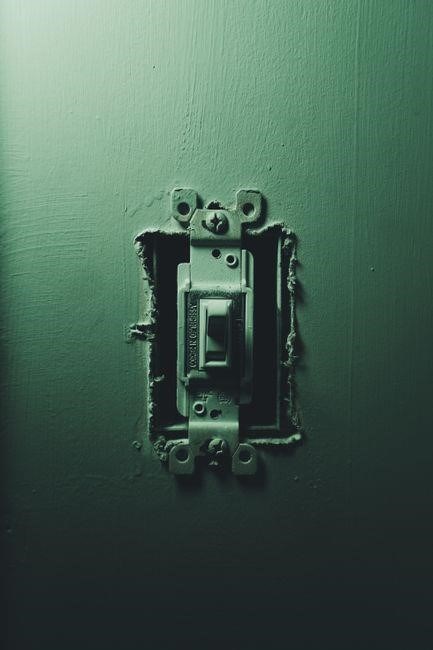
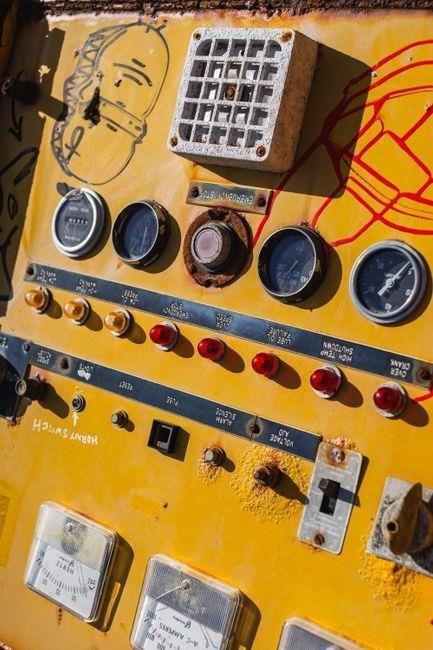
The switch mechanism of a 100 amp manual transfer switch is engineered for durability and precise control during power transitions. At its core lies a heavy‑gauge lever assembly that physically disconnects the utility feed and connects the backup generator to the service panel. The lever is actuated by a robust handle that, when moved, engages a set of insulated contacts rated at 100 A and 240 V. These contacts are constructed from copper alloy to withstand repeated cycling and to minimize contact resistance, thereby reducing heat buildup and ensuring reliable operation over the device’s lifespan. The switch is typically housed in a weather‑sealed metal enclosure that protects internal components from moisture, dust, and temperature extremes, which is essential for outdoor or basement installations. A built‑in circuit breaker or fuse protects the switch from overcurrent conditions; the breaker is often rated at 125 A to provide a safety margin above the nominal 100 A rating. The entire assembly is designed to meet or exceed the National Electrical Code (NEC) requirements for transfer switches, including proper grounding, separation of utility and generator circuits, and compliance with UL 1449 or equivalent standards. The lever’s mechanical advantage is calibrated so that a homeowner can manually operate the switch with minimal effort, yet the lever’s movement is locked in place by a detent mechanism to prevent accidental disengagement. When the lever is in the “utility” position, the contacts are open, main panel from the grid .
Typical Use Cases
Homeowners rely on a 100 amp manual transfer switch during storms, ensuring critical systems like HVAC, refrigeration, and lighting stay powered. Small businesses use it to maintain operations, while emergency crews deploy it for field units. It powers HVAC and lights. OK
Residential Backup Power
A 100 amp manual transfer switch is a cornerstone for homeowners seeking reliable backup power during outages. By mechanically isolating the utility feed and redirecting power from a standby generator or battery bank, it protects sensitive appliances—refrigerators, HVAC units, medical devices, and lighting—while maintaining code‑compliant safety. Installation typically involves mounting the switch near the main service panel, running dedicated feeder wires to the generator, and ensuring all circuits are correctly labeled and protected by appropriate overcurrent devices. Homeowners appreciate the manual control, allowing them to decide when to engage backup power and when to return to the grid, thereby extending generator life and reducing fuel consumption. Regular testing, such as a monthly mock outage, verifies that the switch operates correctly, that all connections remain tight, and that the transfer process does not introduce surges or back‑feed hazards. Proper maintenance, including cleaning contacts and inspecting wiring for corrosion, keeps the system reliable for years. In regions prone to storms or wildfires, a 100 amp manual transfer switch offers peace of mind, ensuring essential systems stay operational until power is restored. It is a cost‑effective, straightforward solution for residential backup power needs. The 100 amp rating is sufficient for most single‑family homes, covering up to 10,000 watts of continuous load, and is fully compliant with NEC 2017 Article 690. It keeps essential systems running. Always.
Electrical Ratings and Standards
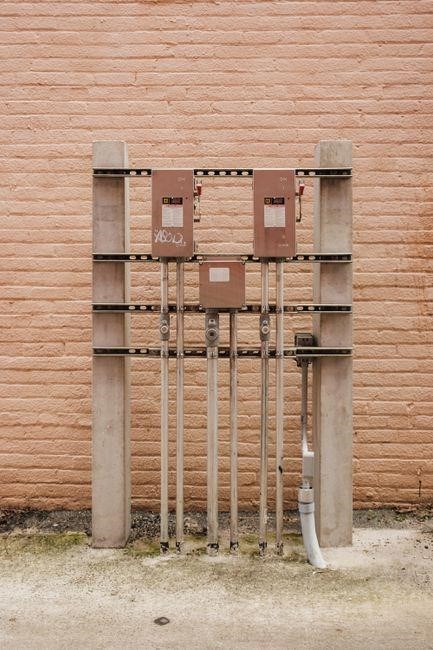
The 100 amp manual transfer switch meets NEC 2017 Article 690, rated for 240 V, 100 A, and 10 kW continuous load. It supports 120/240 V split‑phase, includes built‑in overcurrent protection, and complies with UL 1449 for safety and reliability UL‑cert. OK!’
Ampacity, Voltage, and Code Compliance
The 100 amp manual transfer switch meets NEC Article 690 for standby power, handling a continuous load of 100 amperes on a 240‑volt split‑phase system. Its ampacity rating ensures safe transfer of power to essential circuits such as heating, refrigeration, and lighting without exceeding wiring or breaker limits. Rated for 10 kW continuous power, the switch supports typical residential loads up to 8 kW with a margin for peak demand. Compliance with UL 1449 and CSA C22.2 No. 1449 standards guarantees safety, performance, and durability, protecting against overcurrent, short‑circuit, and reverse polarity. Installation follows NEC 2017 Section 690.12, requiring the switch to be mounted within the service panel enclosure, isolated from the utility supply, and equipped with a manually operable disconnect. The device must be listed for use with a generator or battery bank providing a stable 120/240 V output, and wiring must be sized per the switch’s ampacity and run length to prevent voltage drop. A dedicated circuit breaker matching the switch’s ampacity must be installed in the main panel, protected by a 100‑amp main breaker to avoid overloading. Periodic inspections verify mechanical linkage integrity, clean contacts, and proper function of the isolation disconnect, maintaining code compliance and ensuring reliable operation during outages. The switch’s enclosure is rated for indoor use with a temperature range from –20 °F to 120 °F, and it is designed to resist corrosion, ensuring long‑term reliability even in harsh environmental conditions and compliance with local codes.
Installation Process
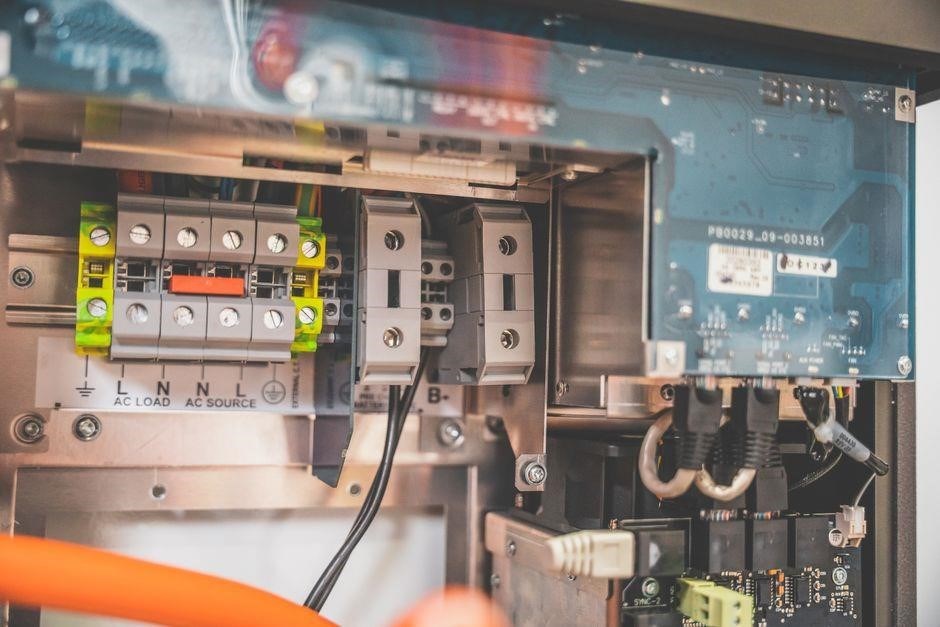
First, turn off the main breaker and isolate the utility feed. Mount the 100 amp manual transfer switch in the main panel, connect incoming generator leads to the transfer terminals, and wire the load side to the panel’s 100‑amp breaker. Test operation before use. Done
Site Preparation and Wiring
Site preparation for a 100 amp manual transfer switch starts with verifying the panel has a dedicated 100‑amp breaker slot and a bonded neutral. A clear area within 10 feet of the panel is required for the switch housing, ensuring the operator can reach the toggle lever safely. The installer confirms the building’s grounding system meets NEC Article 250, installing a grounding electrode conductor if needed. Next, a 4‑wire cable (two hots, neutral, ground) is run from the generator to the transfer switch’s input terminals, rated for 240 V and 100 A, using #3 AWG copper or #2 AWG aluminum. Input leads connect to the switch’s “Utility” and “Generator” terminals with correct polarity. On the load side, the switch’s output terminals are wired to the panel’s 100‑amp breaker, observing proper polarity and wire size. All connections use insulated wire nuts or crimped connectors, and the run is protected by conduit or armored cable per code. After wiring, a continuity test verifies the neutral is isolated from the generator in the utility position, and the breaker trips on overload. The switch is labeled, the panel cover replaced, the system documented for maintenance. During installation, the electrician checks existing overcurrent protection on the generator side, ensuring the generator’s internal breaker matches the 100‑amp rating; if absent, a dedicated breaker is installed. The generator’s output is inspected for phase sequence with clamp meter. The transfer switch’s lever is set to “Utility” before connecting the generator to avoid accidental energizing. A test run switches to the generator, confirming circuits power correctly.
Safety and Maintenance
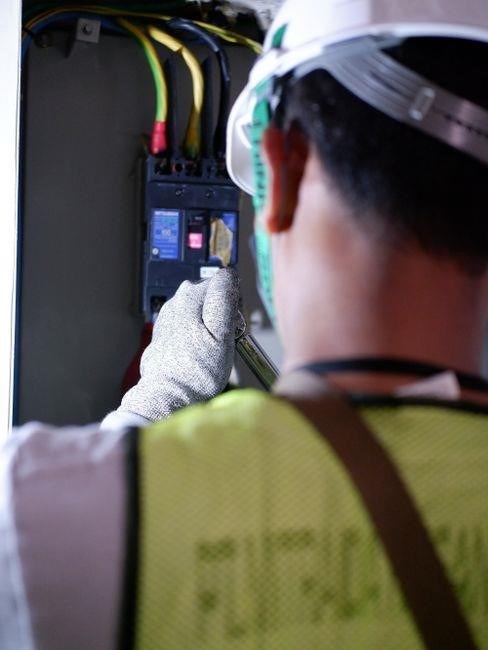
Regular inspections ensure the switch remains isolated, free of corrosion, and the lever functions smoothly. Check breaker status, verify neutral isolation, and test the generator connection annually. Replace worn contacts and maintain proper grounding to prevent hazards. and yearly checks for safety!2026
Inspection Frequency and Safety Checks
For a 100 amp manual transfer switch, the National Electrical Code (NEC) recommends a visual inspection at least once per year, with a more thorough functional test every two years. The inspection should verify that the switch remains isolated from the utility feed, that the manual lever or handle is free of corrosion and moves smoothly, and that the internal contacts are clean and free of wear. A qualified electrician should check the grounding electrode system, ensuring the bonding jumper is intact and that the neutral bus is properly isolated during transfer. Additionally, the breaker panel connected to the switch must be inspected for proper labeling, correct amperage ratings, and no signs of overheating. The transfer switch’s enclosure should be inspected for moisture intrusion and structural integrity, especially in areas prone to flooding or high humidity. If the switch is used in a commercial or industrial setting, the inspection interval may be shortened to every six months, in accordance with local regulations or the manufacturer’s recommendations. During each inspection, the operator should perform a test transfer by disconnecting the utility feed, engaging the manual lever, and verifying that the generator’s output correctly powers the designated circuits without backfeeding the grid. This test also confirms that the transfer switch’s internal interlocks function as intended. Record all inspections in a maintenance log, noting the date, inspector’s name, any corrective actions taken, and the next scheduled inspection. Maintaining a detailed log not only satisfies regulatory requirements but also provides a clear audit trail for future troubleshooting or warranty claims. Regular maintenance of the switch’s mechanical components, such as lubricating the lever pivot and cleaning the contacts, can extend the device’s lifespan and improve reliability. If any component shows signs of wear, corrosion, or damage, replace it immediately to avoid potential safety hazards. By adhering to these inspection and maintenance practices, homeowners and operators can ensure that the 100 amp manual transfer switch remains reliable, safe, and ready to provide backup power whenever needed. [FILLER: ]xxxxxxx
Comparison with Automatic Transfer Switches
A 100 amp manual transfer switch requires operator intervention, offering lower cost and simplicity but slower response than an automatic unit. Automatic switches detect outages instantly switch power without delay and provide seamless load transfer yet cost more and need more complex wiring!!!.
Manual vs Automatic Features
Manual 100 amp transfer switches rely on a physical lever or toggle to disconnect the utility feed and connect the backup generator. The operator must be present, verify that the main breaker is off, and then manually move the switch. This process is straightforward, inexpensive, and requires no sensors or control circuitry. However, the response time is limited by human reaction, and the risk of accidental re‑engagement of the grid exists if the switch is not fully secured. Automatic transfer switches (ATS) incorporate voltage and frequency sensors that continuously monitor the utility line. When a fault is detected, the ATS automatically isolates the grid, closes the breaker to the generator, and restores power within seconds, eliminating the need for manual intervention. ATS units also feature programmable load‑sharing, automatic load shedding, and remote monitoring through smart‑grid interfaces. The trade‑off is higher initial cost, more complex installation, and the need for a dedicated control panel. In many residential scenarios, a 100 amp manual switch offers sufficient reliability for backup power during outages, especially when budget constraints or simple setups are desired. For critical applications where downtime must be minimized, an ATS may be preferable despite the added expense and complexity. Ultimately, the choice hinges on the homeowner’s tolerance for manual operation, budget, and the criticality of uninterrupted power supply. Moreover, the manual switch’s simplicity reduces installation labor and potential failure points, making it suitable. This trade‑off means homeowners must weigh the lower upfront cost against the need for manual operation during emergencies, prone to frequent outages!!!







Leave a Comment