
2013 hyundai elantra owners manual
This 2013 Hyundai Elantra Owner’s Manual provides essential information for safe, efficient operation and maintenance․ It explains vehicle identification, registration, and key features, while emphasizing safety warnings and proper use of equipment․ Follow the guidance to maximize performance and longevity․
Vehicle Identification and Registration
Every 2013 Hyundai Elantra is equipped with a unique Vehicle Identification Number (VIN) that appears on the driver‑side dashboard, in the engine compartment, and on the vehicle’s registration documents․ The VIN is a 17‑character code that identifies the manufacturer, model, body style, engine type, and production location․ When you first purchase the car, the dealer will provide a registration packet that includes the license plate, registration sticker, and proof of insurance․ It is essential to keep these documents in the glove box or a secure location, as they are required for law‑enforcement inspections, roadside assistance, and resale transactions․
To register the vehicle, you must submit the original title, proof of insurance, and a completed registration application to your state’s Department of Motor Vehicles (DMV)․ Many states offer online or mail‑in options, but you may need to appear in person for a photo ID and signature․ Once the registration is processed, you will receive a new license plate and registration sticker that must be affixed to the rear of the vehicle․ The registration sticker is valid for one year and must be renewed before the expiration date to avoid fines or vehicle impoundment․
Hyundai recommends that you verify the VIN on the vehicle against the VIN listed on the registration documents․ Any discrepancy may indicate a documentation error or, in rare cases, a vehicle theft or fraud․ If you notice a mismatch, contact your dealer immediately and report the issue to the DMV․ Additionally, keep a copy of the vehicle’s service history, which can be useful for warranty claims and resale value assessments․
To ensure compliance with state regulations, keep the registration sticker visible on the rear of the vehicle at all times․ If you move to a new state, submit the vehicle’s title and registration within the allotted timeframe to avoid penalties․ The dealer can assist with title transfer, and the DMV will issue a new registration card reflecting the updated address and license plate number for all owners, always!

Safety Information and Warnings
Follow all safety warnings, use seat belts, keep child seats properly installed, and observe speed limits․ Never operate with a damaged or improperly mounted radio or cellular device․ Check for recalls and keep the manual for reference․
Always wear seat belts, keep child seats, obey speed limits․!!
Seat Belt Usage and Child Safety Seats
Every occupant must wear the seat belt․ The lap belt should sit snugly across the hips and the shoulder belt should cross the chest and shoulder, never the neck․ The 2013 Hyundai Elantra has a three‑point belt in the front and a two‑point belt in the rear․ For children, use a child restraint system that meets federal safety standards․ Install the child seat in the rear seat unless the rear seat is unavailable․ Secure the seat with the vehicle’s seat belt or the LATCH system․ The child seat harness should be snug, with straps at shoulder level and chest․ Children under 13 years should use a seat belt or child restraint system․ Check that the belt is not twisted and that it is tight․ The seat belt warning light will illuminate if a belt is not fastened․ If the belt is loose, adjust the tensioner or reposition the seat․ Do not use a damaged belt; replace it immediately․ Keep the seat belt buckle in the locked position when the vehicle is parked․ The child seat should be inspected for damage or wear before each use and replaced if it is no longer safe or if the child’s weight or height exceeds the seat’s limits․ Follow the child seat manufacturer’s instructions for installation, weight, and height limits․ The vehicle’s seat belt system is designed to protect occupants in a collision․ Proper use of seat belts and child safety seats significantly reduces the risk of injury or death․ Always! consult the vehicle’s owner’s manual for child seat installation guidelines keep seat’s manual for the reference․

Key Features and Options
Features include a 2․0‑L engine, 6‑speed manual, or 6‑speed automatic․ Optional: alloy wheels, power‑steering, dual‑zone climate, touchscreen, Bluetooth, backup camera, and keyless entry․ Safety: airbags, ABS, stability control, traction control, and rear‑view camera․ Enjoy!
Powertrain, Transmission, and Engine Options
The 2013 Hyundai Elantra is offered with a 2․0‑L, 4‑cylinder, naturally aspirated engine that produces 140 horsepower and 138 lb‑ft of torque․ This inline‑4 uses a 16‑valve DOHC head, a 9․6:1 compression ratio, and a 12‑valve intake manifold to provide smooth, responsive power delivery․ The engine is paired with either a 6‑speed manual or a 6‑speed automatic transmission, both front‑wheel‑drive units designed for efficient operation and reliable performance․ The manual transmission features a 3․3‑to‑1 final drive ratio and a conventional, non‑synchromesh gear set that allows drivers to enjoy a more engaging driving experience․ The automatic transmission is electronically controlled, using a torque‑converter clutch for smooth engagement and a 3․4‑to‑1 final drive ratio that delivers a balance between acceleration and fuel economy․ The powertrain is engineered to meet the 2013 model year’s fuel‑economy and emissions standards, with a combined city/highway rating of 27/36 mpg․ The engine’s 16‑valve cylinder head and 12‑valve intake manifold are designed to optimize airflow, while the 9․6:1 compression ratio helps maintain efficient combustion․ The automatic transmission’s shift pattern adapts to driving conditions, providing a comfortable ride in city traffic and responsive acceleration on the highway․ The manual transmission’s gear ratios are chosen to keep the engine within its optimal power band, ensuring that the driver can make the most of the 140 horsepower output․ Both transmissions include a lock‑up torque converter that improves fuel efficiency at higher speeds․ The powertrain’s design emphasizes durability, with robust engine components and a transmission that can handle the demands of daily driving․ The 2․0‑L engine is also equipped with a 4‑barrel throttle body and a variable valve timing system that enhances throttle response and improves overall performance․ The engine’s cooling system is designed to maintain optimal operating temperatures, even under heavy load or high ambient temperatures․ The transmission’s torque converter is matched to the engine’s power curve, providing smooth torque transfer and reducing drivetrain losses․ The combination of a lightweight, efficient engine and a responsive transmission makes the 2013 Elantra a practical choice for commuters and long‑distance drivers alike․ The 2․0‑L engine’s 140 horsepower output is sufficient for most driving scenarios, while the 6‑speed automatic transmission offers a convenient, low‑maintenance option for those who prefer a more relaxed driving experience․ The manual transmission provides a more engaging driving experience for enthusiasts who enjoy a direct connection to the vehicle’s mechanical systems․ The powertrain’s design also incorporates features that reduce emissions, such as a catalytic converter and a precise fuel injection system․ The overall package delivers a balanced blend of performance, efficiency, and reliability, making the 2013 Hyundai Elantra a compelling choice in its segment․
Interior Controls and Features
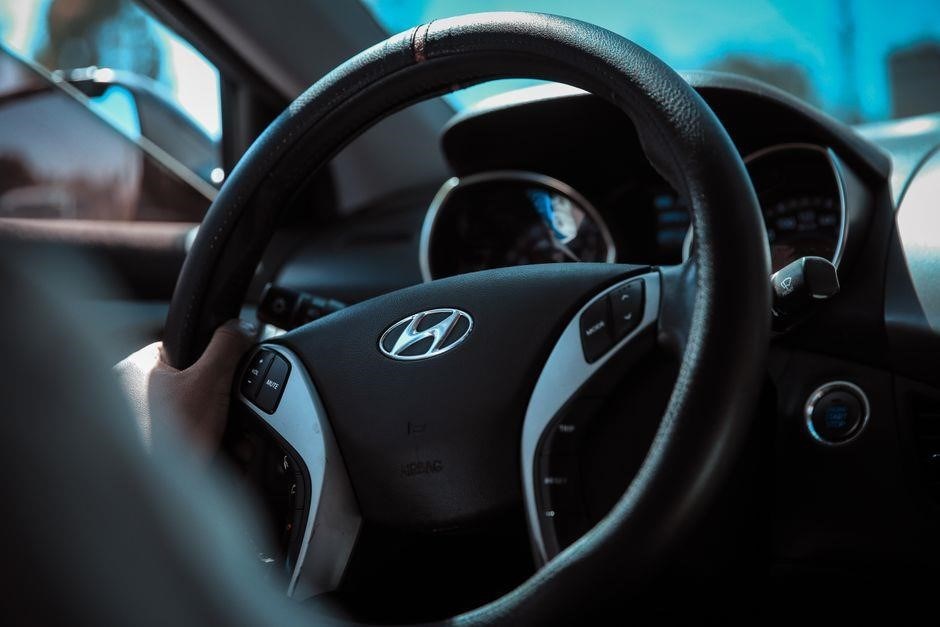
The 2013 Elantra’s interior offers a driver‑centered layout with a 5‑inch color display, power‑adjustable seats, and a multifunction steering wheel․ Controls include a climate system, audio/USB input, and a driver‑assist button for lane‑keeping alerts․ Enjoy․ Now!
Dashboard Instrument Cluster, Warning Lights, and Climate Control
The 2013 Hyundai Elantra features a 5‑inch color display that shows speed, tachometer, fuel gauge, and trip meters․ The instrument cluster is illuminated by a 2‑tone LED system, providing clear visibility in both daylight and low‑light conditions․ The tachometer uses a dual‑speed needle, while the speedometer offers a digital readout for precise monitoring․
Warning lights are grouped into three categories: safety, maintenance, and system status․ The safety panel shows seat belt, airbags, ABS, traction control, and engine check․ Maintenance alerts cover oil level, coolant temperature, and battery health․ System status lights monitor the climate control, power‑train, and infotainment functions․
The climate control panel on the center console offers manual and automatic modes․ The automatic mode adjusts temperature and fan speed based on sensor input․ Manual controls include separate knobs for temperature, fan speed, and air distribution․ The system also features a recirculation toggle and a defrost button for front and rear windows․
To reset the maintenance light, press the “Trip” button until the display reads “Reset․” Then, follow the on‑screen prompts to confirm the reset․ If warning lights stay on after reset, consult a certified Hyundai technician․
Proper use of the dashboard and climate controls enhances driving comfort and safety․ Always review warning light meanings before corrective action․ Follow all instructions for performance and safety․

Audio and Multimedia System
The 2013 Elantra offers a 6‑spkr audio system with BT, USB, and AUX inputs․ touchscreen display supports navigation․ FM/AM radio, CD player, are available․ Use the steering‑wheel controls for hands‑free operation․Enjoy audio now8‑channel audio enhances sound now!
Enjoy!
Navigation, Bluetooth, and Audio Connectivity
The 2013 Hyundai Elantra is equipped with a 6‑speaker audio system that supports Bluetooth, USB, and auxiliary inputs, along with a built‑in navigation module․ The navigation system provides real‑time traffic updates, voice‑guided directions, and the ability to save up to 10 favorite destinations․ Pairing a Bluetooth device is simple: activate Bluetooth on the phone, select “Elantra” from the list of available devices, and confirm the pairing code displayed on the vehicle’s screen․ Once paired, you can make and receive calls, listen to music, and access voice commands through the steering‑wheel controls․ The USB port supports MP3, WMA, and AAC formats, while the auxiliary input accepts any line‑level audio source․ The steering‑wheel controls allow you to change tracks, adjust volume, and activate the navigation voice prompts without taking your hands off the wheel․ The system also includes a 7‑inch touchscreen display that provides easy access to radio, CD player, and navigation functions․ For added convenience, the Elantra offers a “Hands‑Free Phone” feature that automatically answers incoming calls when the driver’s voice is detected․ All audio and navigation functions are designed to be intuitive, ensuring a safe and enjoyable driving experience․ The navigation interface offers a map view with turn‑by‑turn directions, real‑time traffic congestion alerts, and the option to set multiple stops on a single route․ The Bluetooth connectivity supports both hands‑free calling and audio streaming, allowing you to play music from your smartphone while keeping your focus on the road․ The audio system includes an equalizer with preset modes such as “Rock,” “Jazz,” “Classical,” and “Custom,” giving you the flexibility to tailor the sound to your preference․ The CD player can play standard 12‑inch CDs, and the FM/AM radio supports a wide range of stations․ The vehicle’s infotainment system is fully integrated, so you can switch between sources with a single button press, and the steering‑wheel controls provide tactile feedback for a seamless user experience․ The manual also recommends keeping the system firmware updated to ensure optimal performance and compatibility with new devices․ The system’s Bluetooth pairing process also supports the Hands‑Free Profile (HFP) and Advanced Audio Distribution Profile (A2DP), ensuring clear call quality and high‑fidelity music playback․ The navigation system can be updated via the vehicle’s OBD‑II port using a USB flash drive, allowing map data to stay current with the latest road changes․ The infotainment interface features a customizable home screen where you can pin your most frequently used apps, such as music streaming services, for quick access․ The audio equalizer’s “Custom” mode allows you to adjust bass, mid, and treble levels individually, giving you full control over the sound signature․ The CD player’s pause function lets you temporarily stop playback without losing your place, and the “Repeat” button cycles through single, all, and off modes․ The FM/AM radio includes a preset memory function that stores up to 20 stations for instant retrieval․ The steering‑wheel controls are ergonomically designed with a tactile button layout, making it easy to navigate menus without looking at the screen․ The manual advises regular firmware checks to keep the infotainment system running smoothly and to benefit from new features and bug fixes․ Additionally, the system’s user manual provides step‑by‑step instructions for customizing the display resolution, adjusting the audio balance, and setting up the navigation voice volume․ Drivers are encouraged to familiarize themselves with the infotainment system’s safety features, such as the automatic dimming of the display during night driving and the ability to disable the navigation voice prompts when needed․ The Elantra’s infotainment suite is designed to integrate seamlessly with the vehicle’s safety systems, ensuring that drivers can access entertainment and navigation while maintaining focus on the road․

Vehicle Maintenance and Service Intervals
Follow the schedule in Table 4-1 for oil changes, filter replacements, tire rotations, and alignments․ Use 5W-30 synthetic oil, replace the cabin filter every 15,000 mi, rotate tires every 7,500 mi, and have alignment checked at 15,000 mi․ Refer to the service schedule for exact mileage intervals now․
Oil Change, Filter Replacement, Tire Rotation, and Alignment
For the 2013 Hyundai Elantra, the recommended maintenance schedule is designed to keep the engine running smoothly and the vehicle handling safe․ The owner’s manual specifies that the engine oil should be changed every 5,000 miles or 6 months, whichever comes first, using 5W‑30 synthetic oil that meets the Hyundai specification․ The oil filter must be replaced each time the oil is changed to ensure proper filtration and prevent sludge buildup․

Cabin air filters are to be inspected and replaced at 15,000 miles or 12 months, whichever occurs first․ This keeps the interior air quality high and the HVAC system efficient․ Tire rotation is recommended every 7,500 miles to promote even tread wear; the manual advises a front‑to‑rear rotation pattern for all four tires․ After each rotation, check tire pressure and adjust to the manufacturer’s specified PSI․
Wheel alignment should be inspected at 15,000 miles or 18 months, whichever comes first, and corrected if necessary to maintain proper steering response and tire longevity․ The manual also notes that if the vehicle is driven on rough roads or experiences a collision, alignment should be checked immediately․ Following this schedule will help avoid premature wear, improve fuel economy, and extend the life of critical components․
All maintenance should be performed by a certified Hyundai technician or an authorized dealer to ensure compliance with warranty requirements․ If you notice any abnormal noises, vibrations, or warning lights, consult a service center promptly․ Keep a maintenance log to track service dates and mileage for future reference․

Warranty and Service Information
Hyundai offers a 5‑yr/60,000‑mile powertrain warranty and a 10‑year/100,000‑mile powertrain warranty for certain parts․ The 3‑year/36,000‑mile bumper warranty covers cosmetic damage․ All service must be performed by authorized dealers to retain coverage․ Thanks
Warranty Coverage Details and Contact Information
Warranty coverage for the 2013 Hyundai Elantra protects your investment․ The standard warranty includes a 5‑year/60,000‑mile powertrain guarantee covering the engine, transmission, drive shaft, and differential․ A 3‑year/36,000‑mile bumper warranty protects front and rear bumpers from cosmetic damage․ Certain critical components receive 10‑year/100,000‑mile coverage, including engine, transmission, and power‑train parts․ The 7‑year/100,000‑mile power‑train warranty covers the engine, transmission, and related components․ Warranties are subject to the terms in the owner’s manual and may be voided if the vehicle is not serviced by an authorized Hyundai dealer․ Damage from improper maintenance, modifications, or accidents is excluded․ Routine maintenance—oil changes, tire rotations, fluid checks must follow the maintenance schedule; failure to maintain can void the warranty; All warranty claims must be submitted within the coverage period and may require VIN verification․ Keep the original purchase receipt and warranty card in the glove compartment․ For service inquiries or to locate a dealer, contact Hyundai Motor America at 1‑800‑HUMAN‑CAR (1‑800‑486‑2362), visit www․hyundaiusa․com, or email warranty@hyundaiusa․com․ The warranty office is at 1000 Hyundai Way, Irvine, CA 92614․ All service and parts must be performed by an authorized Hyundai dealer to maintain coverage․ For additional support, call 1‑800‑HYUNDAI (1‑800‑489‑4444) or visit your nearest dealership․ The warranty claims department can be reached at 1‑800‑HUMAN‑CAR or by email at warranty@hyundaiusa․com․ For international coverage, refer to the global warranty guide․ If you have questions about coverage or need assistance, the Hyundai Customer Care team is available via phone, email, or live chat on the official website․ All warranty claims are processed within 30 days of receipt, report is provided․!!







Leave a Comment